
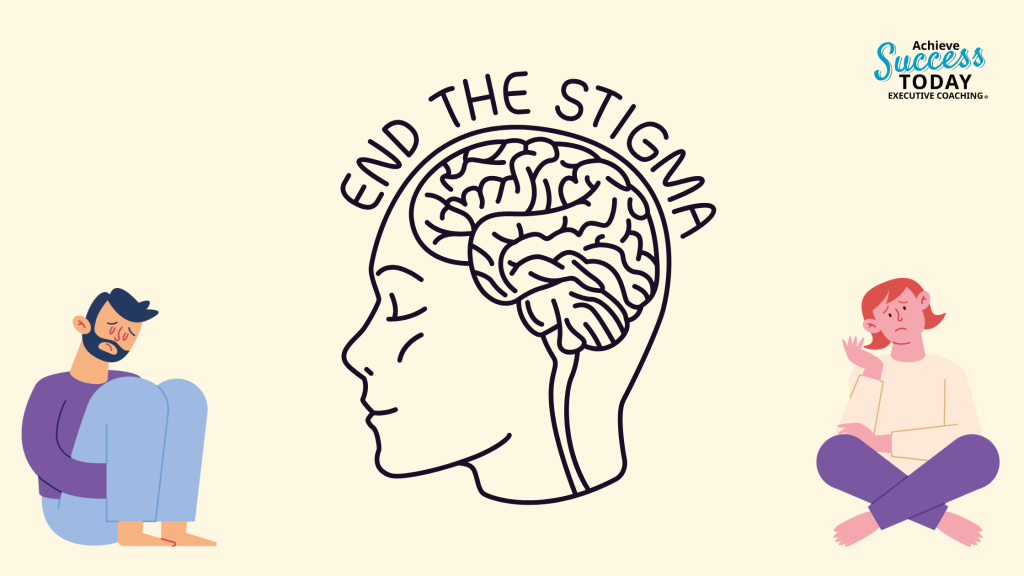
THE STIGMA OF COACHING:
WHY IT EXISTS AND WHY IT SHOULDN’T
Coaching, despite its proven benefits, is often misunderstood and even stigmatized. For some, the idea of hiring a coach may imply a weakness, an inability to solve problems independently, or a lack of knowledge or skills. This stigma can stem from cultural norms that prioritize self-reliance or from misconceptions that coaching is only for those who are struggling. In reality, these perceptions are far from the truth.
Many people hesitate to seek coaching because they equate it with therapy or assume it’s only necessary in moments of crisis. Others might fear judgment from peers who don’t understand its purpose, or they worry about the financial investment without fully grasping the potential return. The stigma often blinds individuals to the value coaching provides in personal and professional development
In truth, coaching is a powerful tool for gaining clarity, overcoming obstacles, and achieving goals. It’s not about fixing something that’s “broken” but rather about maximizing potential. A good coach acts as a trusted partner, offering guidance, accountability, and fresh perspectives. Unlike friends or family, who may bring biases to their advice, coaches provide objective support tailored to the individual’s needs and aspirations
Mentoring and coaching can illuminate paths that may otherwise seem unclear. Coaches ask the right questions, helping clients uncover their true priorities and values. They assist in breaking down overwhelming goals into manageable steps and provide strategies to stay motivated and focused. This clarity often leads to more informed decision-making and faster progress.
Moreover, coaching can challenge limiting beliefs that hold people back, fostering a growth mindset and resilience. It creates a safe space for self-reflection, enabling clients to explore new possibilities and step outside their comfort zones.
In a world where high achievers like athletes, executives, and entrepreneurs commonly use coaching to excel, it’s clear that the stigma is based on misunderstanding rather than reality. Far from being a sign of weakness, seeking coaching demonstrates a commitment to growth and self-improvement. When embraced, mentoring and coaching can unlock potential and pave the way for meaningful success.
Reach out to see if we can assist you to unlock your full potential: https://ktl.mof.mybluehost.me/website_9192ccc8/contact/